The Aging Client Gap: Why Financial Advisors Can No Longer Ignore Longevity and Care Planning
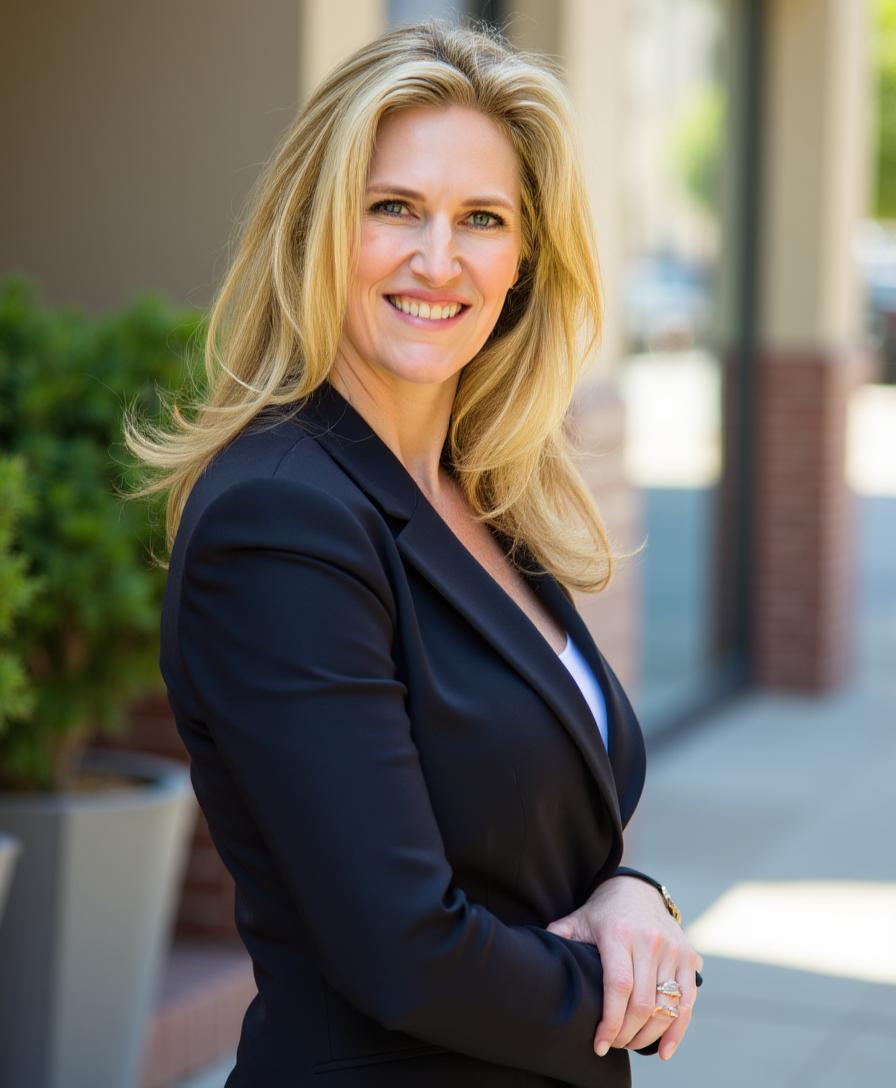
By Lauren Clough, CEO and Co-Founder, bQuest
The numbers don't lie. When we analyzed our own user data earlier this month, the results told a story the financial planning industry has been slow to reckon with. And that is clients are searching for help navigating the complexities of aging, and they are increasingly turning to their financial advisors to lead the way.
The internal analytics report, drawn from data across 381 matchmaking searches and more than 4,000 directory search events, paints a vivid picture of where client need is concentrated. The top search categories on the bQuest Care Intelligence platform were senior living placement, dementia and memory care, in-home care and companionship, care management and coordination, and Medicaid and Medicare benefits navigation. These are not investment topics. They are life topics. And for millions of aging Americans and their families, life and money are inseparable.
What we're seeing in the data is a reflection of what advisors are hearing from clients every single day. Families are overwhelmed. They don't know where to start when a parent needs memory care, or how to think about the cost of home health services alongside a retirement plan. They are also expecting their advisor to have an understanding of the financial impact of their aging care needs. But more importantly, they are asking their advisors because that is who they trust.
A Demand Signal Advisors Can't Afford to Miss
Financial advisors represented the largest single group of searchers on the bQuest platform, accounting for roughly 58% of real external matchmaking searches. That share is significant. It means advisors are actively seeking out aging care resources on behalf of their clients, even without formal training, in order to fill a gap that no one else is filling.
The geography of demand adds further urgency. Search activity on bQuest was concentrated in California, Colorado, Washington, Missouri, and New York, states with large, aging populations and high costs of care. But the underlying need is national, particularly as the baby boomer generation moves deeper into its seventies and eighties, they and their adult children will have these questions, regardless of zip code.
What we are also seeing is that there's a real mismatch between the complexity of what clients are facing and the resources advisors have available to them. Longevity planning is more than just about making the money last. It's about understanding what the money needs to pay for and that requires knowing the care landscape.
The Holistic Case for Adding Aging Care to Your Practice
Traditional financial planning was built around accumulation – save, invest, grow. But the fastest-growing segment of the American population is now in the distribution phase and distribution, for aging clients, means something far more complicated than a systematic withdrawal rate. It means long-term care insurance decisions, Medicaid spend-down strategies, in-home care costs that can run $60,000 to $100,000 annually, assisted living transitions that can drain a lifetime of savings in three to five years, and the emotional weight of decisions made under duress.
Advisors who position themselves as guides through this terrain become indispensable. The bQuest data supports this. After-loss professionals and grief therapists ranked surprisingly high among favorited specialties on the platform, suggesting that clients are looking for support across the full arc of the aging journey, not just the financial mechanics. Advisors who can connect clients to the right professionals at the right moment build relationships that outlast any market cycle.
The advisors who are winning with aging clients are the ones who picked up the phone when a client's husband was diagnosed with Alzheimer's and said, 'I know exactly who you need to talk to.' That's what loyalty looks like in this chapter of life.
What Longevity Planning Actually Looks Like in Practice
Adding aging care as a practice area doesn't require an advisor to become a geriatric care manager or a social worker. It requires awareness, a trusted network of specialists, and a framework for guiding clients through conversations that have significant personal and financial implications.
Practically speaking, longevity planning means addressing future care needs before they become a crisis. It requires a trusted network of specialists—including care managers, senior placement advisors, elder law attorneys, and home care providers—as well as an understanding of the financial implications of aging, from care costs and Medicaid eligibility to housing and long-term care decisions. This is precisely the challenge bQuest was built to solve, giving advisors access to the specialists, tools, and guidance needed to confidently support clients and families through aging, caregiving, and other life transitions.
The bQuest data on favorited resources offers a useful window into what content clients and advisors actually find valuable, which we have found to be guides to senior moving, dementia caregiving, when to stop driving, end-of-life conversations, home health versus home care distinctions. These are the questions families are Googling at midnight when a parent falls or a diagnosis arrives. An advisor who knows where to turn for answers to these questions has already thought through those, and can access these professionals and service providers, is offering something no robo-advisor or financial app can replicate.
The Window Is Now
The demographic case for longevity planning is the present reality. Americans are living longer, the caregiving burden is growing, and the financial stakes of aging decisions are higher than ever. Long-term care costs are rising faster than inflation. The gap between what Medicare covers and what aging actually costs remains vast and widely misunderstood.
For advisors, the opportunity is clear. Clients need a trusted partner who can sit at the intersection of financial planning and aging care. The bQuest data shows that this need is already generating real activity, advisors are searching, clients are searching, and the demand themes are consistent and concentrated around a predictable set of challenges.
We built bQuest because we believed financial advisors were the natural quarterback for aging care coordination. The data is validating that belief. Advisors are already stepping into this role. We just need to give them the tools, the network, and the confidence to do it well.
The advisors who move first, who build expertise, build networks, and build a reputation for guiding families through the full complexity of aging will earn a depth of client loyalty that compounds over decades. In a profession built on trust and referrals, it may be the most valuable asset an advisor can hold.
Lauren Clough is the Co-Founder and CEO of bQuest, the first Care Intelligence Platform purpose-built for the financial services industry. bQuest partners with wealth management firms, RIAs, and family offices to ensure families receive timely, coordinated support during aging, end-of-life, and after-loss transitions.
Drawing on more than a decade as a senior manager in her family's global logistics business, Lauren brings deep operational expertise in scaling complex, fragmented systems. Her leadership is also shaped by her family's multi-generational Alzheimer's journey, which exposed firsthand the gaps between financial planning and aging care support.
At bQuest, Lauren is building the infrastructure that bridges wealth and health equipping financial advisors to show up for clients not only in markets, but in life's most personal and vulnerable moments.
Her mission is to transform financial services by making longevity planning and care coordination a standard offering so that every family under the guidance of a trusted advisor has clarity, advocacy, and real support as they navigate caregiving and aging.